
When people first encounter peptide research, the format a compound comes in, a nasal spray, an injectable cartridge, tends to read as a practical detail.
The route through which a peptide is administered affects how much of it enters systemic circulation, where in the body it can reach, and which biological systems it can interact with.
This is why different peptide formats are studied for different compounds.
The two formats most frequently encountered in peptide research are intranasal delivery and subcutaneous injection.
These formats are selected specifically to match their biological target.
Intranasal delivery is typically effective within 30 to 60 minutes.
The nasal mucosa (the moist tissue lining the nasal cavity) absorbs peptides relatively quickly, and for compounds targeting the central nervous system, specific nerve pathways within the nasal cavity begin carrying the compound toward brain tissue within this window.
Subcutaneous injection acts within 15 to 30 minutes for most compounds, which is quicker than the intranasal route.
Placing the compound in tissue with a rich blood supply allows it to absorb into systemic circulation at a constant rate.
At the upper end of the spectrum, intravenous (directly into the veins) delivery sends the compound directly into the bloodstream, with nearly immediate effects.
The brain is protected by the blood-brain barrier, a selective filtering system formed by specialised cells lining the blood vessels of the brain that regulates what can pass from systemic circulation into brain tissue.
Many peptides cannot cross this barrier effectively when delivered through the bloodstream.
The intranasal route partially bypasses the blood-brain barrier.
The nasal cavity provides access to the olfactory (relating to the sense of smell) and trigeminal (relating to facial sensation and motor function) nerve pathways, which lead toward the central nervous system without requiring compounds to enter and traverse the bloodstream first.
For peptides being studied for brain-related pathways, this is what makes intranasal delivery the appropriate format.
Subcutaneous injection compounds enter systemic circulation and encounter the blood-brain barrier in the same way as any other systemically delivered compound. For peptides studied for peripheral tissue or metabolic targets, this is not a disadvantage.
However for compounds with central targets, it is a limitation that the intranasal route is specifically chosen to address.
Intranasal delivery does not require a needle.
The compound is administered directly into the nasal cavity through a spray device, which positions it at the nasal mucosa for absorption.
From a practical standpoint, this is one of the more accessible peptide formats available in research settings.
Subcutaneous injection requires a needle, though subcutaneous needles are fine gauge and the injection is placed into the tissue layer just beneath the skin rather than into muscle or a vein.
The technique is considered straightforward once familiarity is established, and it is also the standard delivery method for the majority of research peptides.
Both formats require refrigerated storage.
Peptides are sensitive to temperature, light, and humidity, and degradation can occur when conditions fall outside the recommended range.
Nasal spray formulations, typically supplied in solution, tend to maintain stability for several months when kept sealed and refrigerated.
Subcutaneous cartridges and vials have comparable storage requirements, but the window for use shortens once a product is opened or mixed.
Specific guidance varies by compound and should always be followed as provided.
Bioavailability, the proportion of a compound that reaches systemic circulation in an active form, differs considerably between the two formats.
Intranasal delivery typically results in 2 to 40% of the administered compound reaching systemic circulation, with the fraction varying between compounds depending on molecular characteristics and how efficiently each absorbs through the nasal mucosa.
Subcutaneous injection produces substantially higher systemic bioavailability, with a large proportion of most compounds entering circulation relatively intact.
Unlike the other two formats, the intravenous route achieves near-complete systemic bioavailability, with the compound injected directly into the bloodstream.
Higher absorption is not always the more relevant consideration. For compounds studied for central nervous system effects, the intranasal route’s capacity to access brain pathways directly may be more mechanistically important than the total proportion entering circulation.
The defining characteristic of intranasal peptide research is the central nervous system target.
2. Stress pathway and GABAergic modulation research examines how compounds interact with GABA (the brain’s primary inhibitory neurotransmitter) and the downstream effects on stress resilience and cognitive function. The peptide, Selank, has the most established profile in this area of research. Research around Selank has been focused on its GABAergic pathway modulation and effects on cognitive function.
Subcutaneous research encompasses a wider range of biological targets, all of which share a common requirement for consistent systemic circulatory delivery.
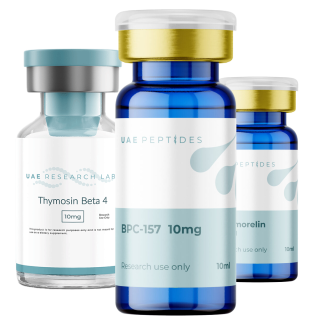
BPC-157 has a particularly extensive research history in this area, with studies examining its role across tendon, ligament, and musculoskeletal repair mechanisms.
GHK-Cu is studied in injectable formulations in research focused on systemic tissue support beyond topical application.
CJC-1295 and Ipamorelin are compounds studied within this area, with research examining their effects on hormonal signalling, metabolic function, and body composition pathways.
The 2025 study found that Epitalon had a significant effect on upregulation of neurogenic (from the nervous system) markers, showing increases to around 75% more than in untreated cells.
MOTS-c has attracted sustained research interest in this area, with studies exploring its effects on mitochondrial bioenergetic performance and skeletal muscle metabolic pathways.
The comparison above points to a single organising principle.
In peptide research, the format is a deliberate research choice, determined by where in the body the compound needs to reach to interact with its intended biological system.
This is why changing a compound’s format without understanding the rationale behind the original route is not straightforward.
Switching from intranasal to subcutaneous delivery, or vice versa, alters the compound’s pharmacokinetic profile (how it moves through the body, how much is absorbed, and how quickly it reaches target tissues) and may fundamentally change its relationship to the biological pathway under investigation.
Understanding how peptide formats, delivery routes, and research targets connect is foundational to navigating this field.
Schedule a 1:1 consultation with one of our Peptide Therapy experts.
The format of a research peptide reflects a scientific decision about how to reach the biological target being studied. Compounds investigated for central nervous system pathways tend to be administered intranasally, because this route provides access to brain tissue through nerve pathways that partially bypass the blood-brain barrier. Compounds studied for systemic effects, such as tissue repair, hormonal signalling, or metabolic function, tend to be administered subcutaneously, where absorption into circulation is more complete and consistent.
The blood-brain barrier is a selective filtering system formed by specialised cells lining the brain’s blood vessels. It regulates what can move from systemic circulation into brain tissue, protecting the central nervous system from many compounds that circulate in the bloodstream. The intranasal route partially bypasses this barrier by accessing the olfactory and trigeminal nerve pathways within the nasal cavity, which lead toward the brain without requiring passage through the bloodstream.
Bioavailability refers to the proportion of a compound that reaches systemic circulation in an active form after administration. Subcutaneous injection typically produces high systemic bioavailability for most peptides. Intranasal delivery produces lower systemic bioavailability, with estimates ranging from 2 to 40 percent depending on the compound. For compounds studied for central nervous system effects, however, the direct nasal pathway to the brain is often more mechanistically relevant than the total proportion entering systemic circulation.
Yes, and this is precisely why format selection is a deliberate research choice. Changing the route alters the compound’s pharmacokinetic profile, which determines how much reaches target tissues, which tissues those are, and how quickly. A peptide studied intranasally for its central nervous system effects may not interact with the same biological pathways if administered subcutaneously, because the delivery route changes which systems the compound can reach.
Understanding which research areas are associated with each delivery route helps explain the logic behind format selection more clearly than a compound-by-compound list. The format follows from the research question, not from the compound in isolation. Organising by research area also makes it easier to see patterns, such as the consistent use of subcutaneous delivery across tissue repair, hormonal signalling, and cellular ageing research, which reflects the shared requirement for systemic circulatory delivery across those fields.
Both formats require refrigerated storage to prevent degradation from heat, light, or humidity. Nasal spray formulations tend to maintain stability for longer when kept sealed and stored correctly. The window for use shortens for both formats once a product is opened or mixed, though the specific guidance varies by compound and formulation. Storage instructions provided with each product should always be followed.
Written by Elizabeth Sogeke, BSc Genetics, MPH
Elizabeth is a science and medical writer specialising in peptide science, longevity medicine, mitochondrial health, metabolic optimisation and regenerative health research. With a BSc in Genetics and a Master’s in Public Health, she combines a strong scientific foundation with experience translating complex biomedical research into clear, clinically informed education for the Peptide Therapy and longevity medicine space. Her work is centred on interpreting emerging peptide, metabolic and longevity research with scientific accuracy, clinical awareness and a clear understanding of how these therapies are being discussed and applied in modern health optimisation.
Discount Applied Successfully!
Your savings have been added to the cart.

20% OFF sitewide across
UAE Peptides for a limited time
Use the promocode: SITEWIDE20